

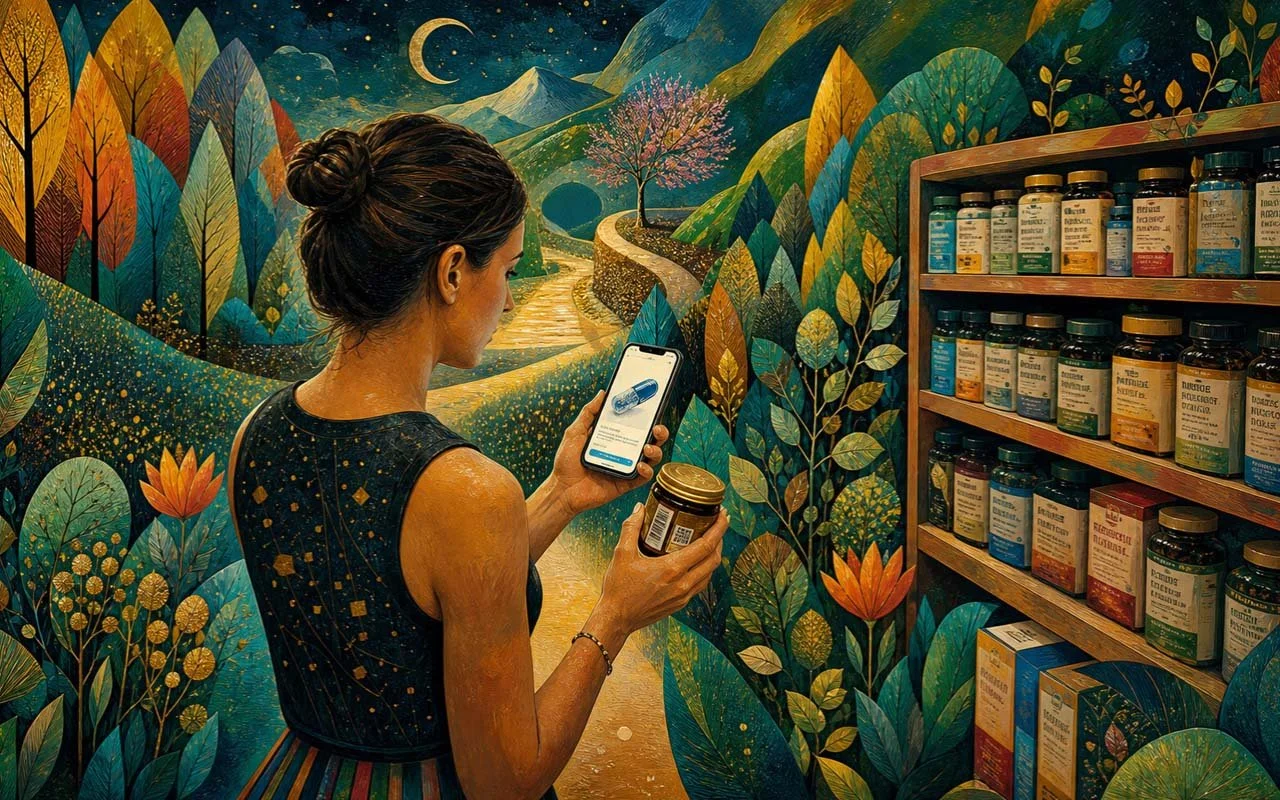
Every package you ship is about to carry a second code. The question is whether you treat it as a compliance checkbox or the most valuable square of real estate on the label.
Here is what is actually happening. GS1 — the organization that has run the UPC standard since the first one was scanned in 1974 — is moving retail from the familiar striped barcode to 2D codes: QR codes and DataMatrix. The target is the end of 2027, when retail point-of-sale systems are expected to read both. During the transition, most products carry both codes at once. This is the largest coordinated change to product identification in fifty years.
Read the headlines and you will see the word "mandate" – which is misleading. GS1's rule requires retailers to be able to scan 2D codes by December 31, 2027. It does not order brands to switch by then. No government regulator will fine you for skipping it.
The pressure is real anyway. It is commercial, not legal. The biggest retailers — the ones with the most customers — are moving to require these codes on every product they sell. When a store that size makes a demand, you meet it or you lose your place on the shelf. No law required. The risk is getting dropped, not getting fined.
Compliance is the floor
Here is the trap. By 2027, being compliant is not an advantage. It is the price of staying on the shelf.
A buyer who hears “we're Sunrise 2027 compliant” in 2027 reacts the way they would to “our trucks have wheels.” Everyone in the room cleared that bar to get into the room. Spending your effort there is spending it on the minimum.
The advantage is not in having the code. It is in deciding what the code does.
The code is a door
A barcode does one thing. It identifies the product so the register can ring it up. It closes the transaction. It has never said a word to the shopper, and it never will.
The QR code is different in kind, not degree. It is a door. A shopper standing in the aisle, phone in hand, three seconds from a decision, can open it. What waits on the other side is entirely your call.
Most brands point that door at nothing — or at the homepage, which leaves the shopper standing on the sidewalk, looking at the front of the house. The homepage does less work than the package they are already holding. They leave.
The brands that win will invite the shopper in and walk them to the one space that fits the moment — the room that makes this shopper feel understood and welcome. Which room? That comes down to a single question: what does your customer want to know? A few to start the thinking:
The origin story that justifies the price difference the shopper is hesitating over.
A thirty-second video of the product in use.
The allergen, sourcing, and ingredient detail that turns a maybe into a yes. Shoppers increasingly say that information moves them to buy.
A first-purchase offer that tips the decision before they put the package back.
Customer photos and reviews — social proof delivered at the shelf, where it counts, instead of three clicks deep on a site they will never visit.
None of that is a technical task. The scanner reads the code the same way regardless of where it leads. Choosing the room — the right one, for this shopper, at this moment — is brand strategy.
The cheapest pitch you will ever buy
Think about this as an opportunity. Great packaging already does the hardest work in retail. It stops the shopper in a crowded aisle, earns the pick-up, and holds attention. That is where the sale is won, but a label can only hold so many messages.
The QR code opens new possibilities. By the time a shopper scans, the package has already done the hard part. From there the code does one of two jobs. For the shopper still deciding, it delivers the nudge that closes the sale. For the shopper already sold, it affirms the choice they just made. Either way, it gives them one more reason to be excited about the brand.
The code costs nothing. The destination is where the value lives — and the destination is a decision, not a default.
So the real question for 2027 is not whether your packaging will be compliant. It will have to be. The question is whether you will treat the most dynamic square on your label as a checkbox to tick off, or as the front door to everything your brand has to say.
One of those is a cost. The other is the cheapest sales pitch you will ever make.
I help CPG brands make the most of every square inch of the package — including the one most brands are about to waste. If you want a clear read on what your packaging is doing for you at the shelf, the Packaging That Sells assessment is the place to start.